
Holistic Trauma Therapy in Boulder, Colorado
Virtual Therapy Services available throughout Colorado
Find your ground. Come home to yourself.
Trauma Therapy for Thoughtful Adults Ready to Reclaim Their Peace.
TRAUMA AND ANXIETY THERAPY THAT HELPS YOU
be the main character in your life again.
There’s so much you’d like to do in your life, if you could only catch a break or catch your breath. For years, you’ve been abandoning your own needs to keep the peace. You needed to stay small to feel safe, to get by. Now you’re exhausted and overwhelmed; you wish you could feel present, grounded, and connected to yourself again, but don’t even know where to start.
Trauma and anxiety therapy with me is a space to for us to get underneath the patterns you’ve discovered yourself and work through the blocks, understanding holistically how core wounds show up through body, belief, and behavior. Through EMDR, somatic, and trauma therapy, we’ll focus on recovery at the root so you can move through your life with resilience, clarity, confidence, and self-trust.
Trauma therapy in Boulder, CO might be right for you if…
You’ve done a lot of personal growth work (reading books, listening to podcasts, meditating) but something still feels blocked.
You keep abandoning yourself through work, distractions, or transgressing your own boundaries just to keep the peace.
You spend tons of energy worrying about what everyone else thinks, but you feel guilty even at the thought of putting yourself first.
Something that happened in your past is making it hard to feel well in the present.
You feel overwhelmed by big life changes; the old ways of doing things are breaking down but the thought of building new ones is kind of terrifying.
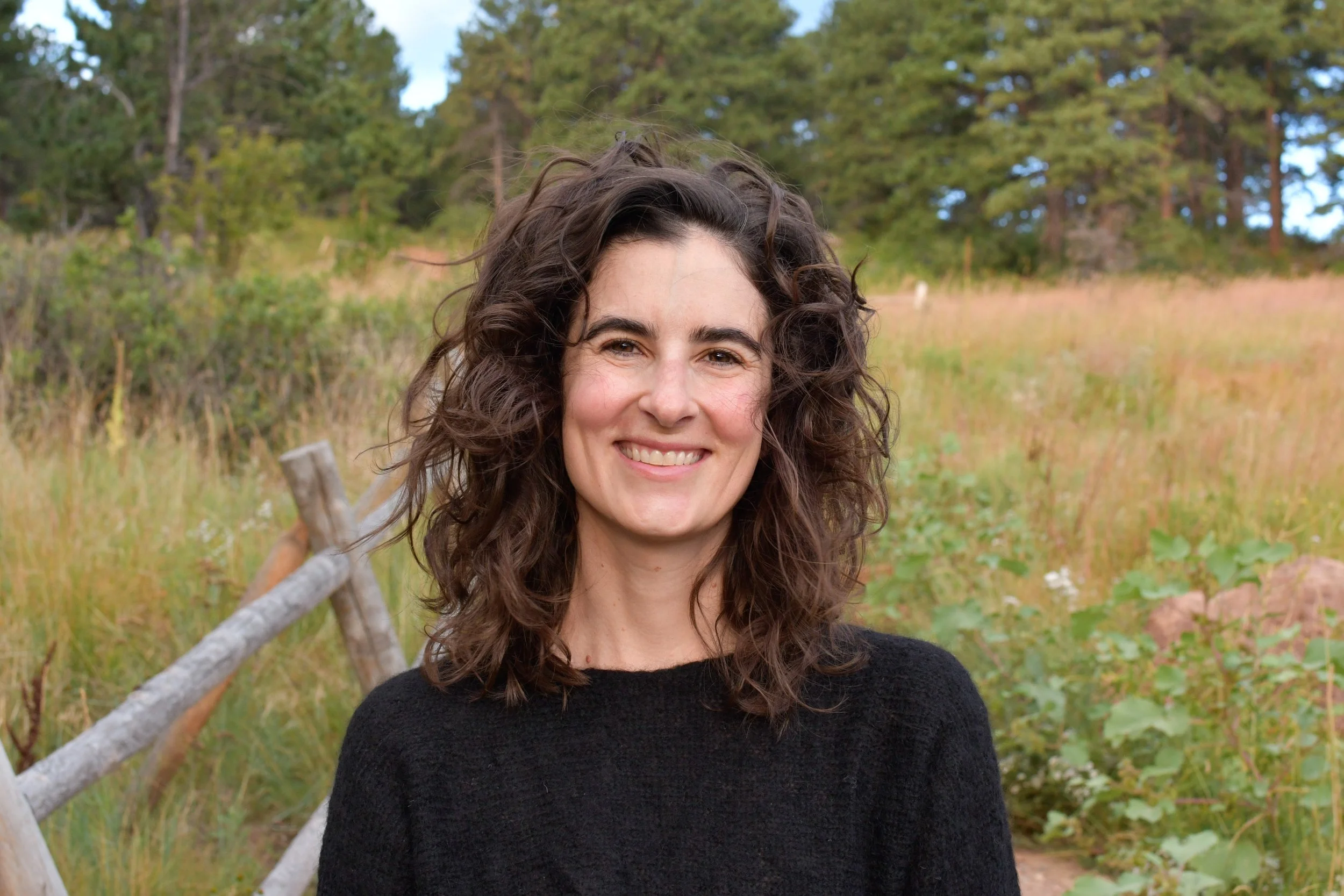
Meet Alexa Owen, MSW, SWC
Holistic Trauma Therapist in Boulder, CO
Virtual Therapy Services available throughout Colorado
Hi, I’m Alexa. I help thoughtful adults recover from anxiety and trauma so they can feel at home in their bodies, authentic in their relationships, and anchored in self trust.
I know what it’s like to be highly sensitive, conscientious, and invested in personal growth but gripped by guilt or fear when you start claiming your needs, wants, and gifts. That lived understanding shapes how I show up in the therapy room, with presence, care, curiosity, and depth.
Shedding old ways of being can feel awkward, disorienting, and sometimes even wrong if we were taught that our worth was contingent upon performing in ways that were palatable for others. I believe in therapy that’s steady, supportive, and brave so that you have the opportunity to untangle what’s kept you knotted up inside and get to a place where you are living your life.
Therapy Services

Therapy for Trauma & PTSD
Trauma therapy is about processing what’s been keeping you knotted up inside in a gentle, titrated way so you can feel more safe, grounded, self-trusting, and free. It’s not about pushing through, but going at the speed of trust in your nervous system so that, over time, you can come home to yourself again.

Anxiety Therapy
Anxiety therapy helps you get some space from racing thoughts and constant nerves through practical tools that can help ground you back into your body and your life. Let this be the step you take to turn the volume down on the mental noise and feel more calm and grounded in your everyday life.

EMDR Therapy
EMDR therapy helps your brain naturally process experiences that have remained unresolved so they no longer carry the same emotional charge. Together, we'll work gently and at the pace of your nervous system to help you feel freer to move through life with greater confidence and self-trust.
What if you could…
Put yourself first sometimes without feeling terrible about it? Feel at ease instead of constantly on edge? Stop needing everyone else’s opinion before making a decision? Have the freedom to respond differently?
We can work toward your goals step by step in a safe, holistic way—even if you don’t know where to begin. Let’s give it a try together.

Here’s how to get started with holistic trauma therapy in Boulder, CO:
Book a Free Intro Call. You can contact me here so you can share more about what you’re seeking in therapy and I can answer questions about getting started.This is a free 15-minute call that gives us a chance to get to know each other and make sure that you feel comfortable moving forward.
Schedule the First Session. At the end of the call, we’ll go over logistics and schedule a day and time that works for your weekly session if we choose to move forward together.
Start Healing. Weekly sessions help create a strong foundation for healing and growth. We’ll work together to understand some of the thoughts, beliefs, and experiences that are keeping you feeling stuck and use trauma-informed somatic, holistic therapy to help you come home to yourself again.
Frequently Asked Questions
Still have questions? Contact me here so I can get you the clarification or info you need.
-
Yes—my office is located in central Boulder and we can meet in person there. I am typically in the office Tuesdays and Thursdays. There is free parking available on site. I also offer telehealth appointments to clients throughout Colorado Monday—Friday.
-
Please do reach out via my contact form, which you can access here!
-
I meet with clients weekly for 50-minute sessions. I encourage new clients to commit to weekly sessions of therapy to establish care and build a solid foundation for the therapeutic work. However, we can collaborate on the session frequency that works for you during an intro call. For example, some clients prefer to meet twice per week to get started, while others need to meet biweekly.
-
The first session is an “intake” appointment. We will go over your intake paperwork and I’ll ask you to share more about your background and present day life. We’ll also focus on your goals for treatment. This often carries over for the first couple of sessions — so don’t worry if we don’t get to your whole life story in the first one!
-
Clients who come to therapy with a single, focused issue typically attend weekly sessions for 3-6 months. For more complex or ongoing challenges, therapy can warrant closer to 8-24 months. Some people use therapy as a regular support for longer than that. We will check in regularly about your progress and how you are feeling about therapy so that we can figure out the best course for you.
-
My fee is $165 per 50-minute session.
I've chosen not to contract directly with insurance because it allows me to practice in a way that aligns with my values and the kind of care I want to provide. This means:
Care that is tailored to you — We decide together what treatment looks like, how often we meet, and how long we work together based on your needs, rather than insurance requirements.
Greater privacy — I don't have to routinely submit diagnoses or therapy notes to insurance companies, allowing your care to remain as confidential as possible.
Flexibility in our work — We aren't limited by insurance authorization or session caps, so therapy can unfold at a pace that supports your goals.
A small, sustainable caseload — Insurance reimbursement rates are often far below a therapist’s actual hourly rate. By seeing fewer clients, I'm able to bring my full presence, attention, and care to each session and provide thoughtful, high-quality support.
INSIGHTS + UPDATES
Latest on the Blog