
GET SUPPORT FOR HEALING TRAUMA.
Therapy for Trauma & PTSD in Boulder, Colorado
Virtual Therapy Services available throughout Colorado
Trauma can show up in many ways (even if it’s from experiences that happened years ago). It can impact how you feel in your body, your relationships, your work, and how you live your life in the present. Trauma therapy is about processing what’s been keeping you knotted up inside in a gentle, titrated way so you can feel more safe, grounded, self-trusting, and free.
You might feel scared or on edge, disconnected from yourself, or like you’re living in a movie that’s not really your life. Maybe you’ve pushed through for a long time but you keep experiencing the same triggers or challenges, and you want support that can help your body catch up to your mind to feel that sense of safety, calm, and strength you long for.
It’s not about pushing through, but going at the speed of trust in your nervous system so that, over time, you no longer need to organize your life around old wounds and patterns.
Trauma symptoms show up differently for everyone: they could be from the impacts of a single moment, but trauma patterns often speak to the ways people learned to survive over time.
you might benefit from therapy if…
You feel extra sensitive to rejection or perceived rejection from others.
Shame, guilt, or fear prevent you from making certain decisions or speaking up.
You want support that helps you transform how you experience your life, not just deal with it.
You can’t seem to shake off that loud inner critic that says you’re “bad” or “wrong” or a “failure”.
People-pleasing is one way you’ve learned to feel safe, but you’re done abandoning yourself.
You have tools to cope, but you sense the healing hasn’t gotten to the root of things.
Trauma therapy in Boulder, CO can help.
What if you could go from:
Making decisions that keep the peace with others
➔ To knowing and acting on your values.
Spiraling when you face conflict
➔ To feeling safer in your body.
Feeling guilty about what you want
➔ To trusting in your needs without shame.
Repeating old unhelpful patterns
➔ To having the choice to respond differently.
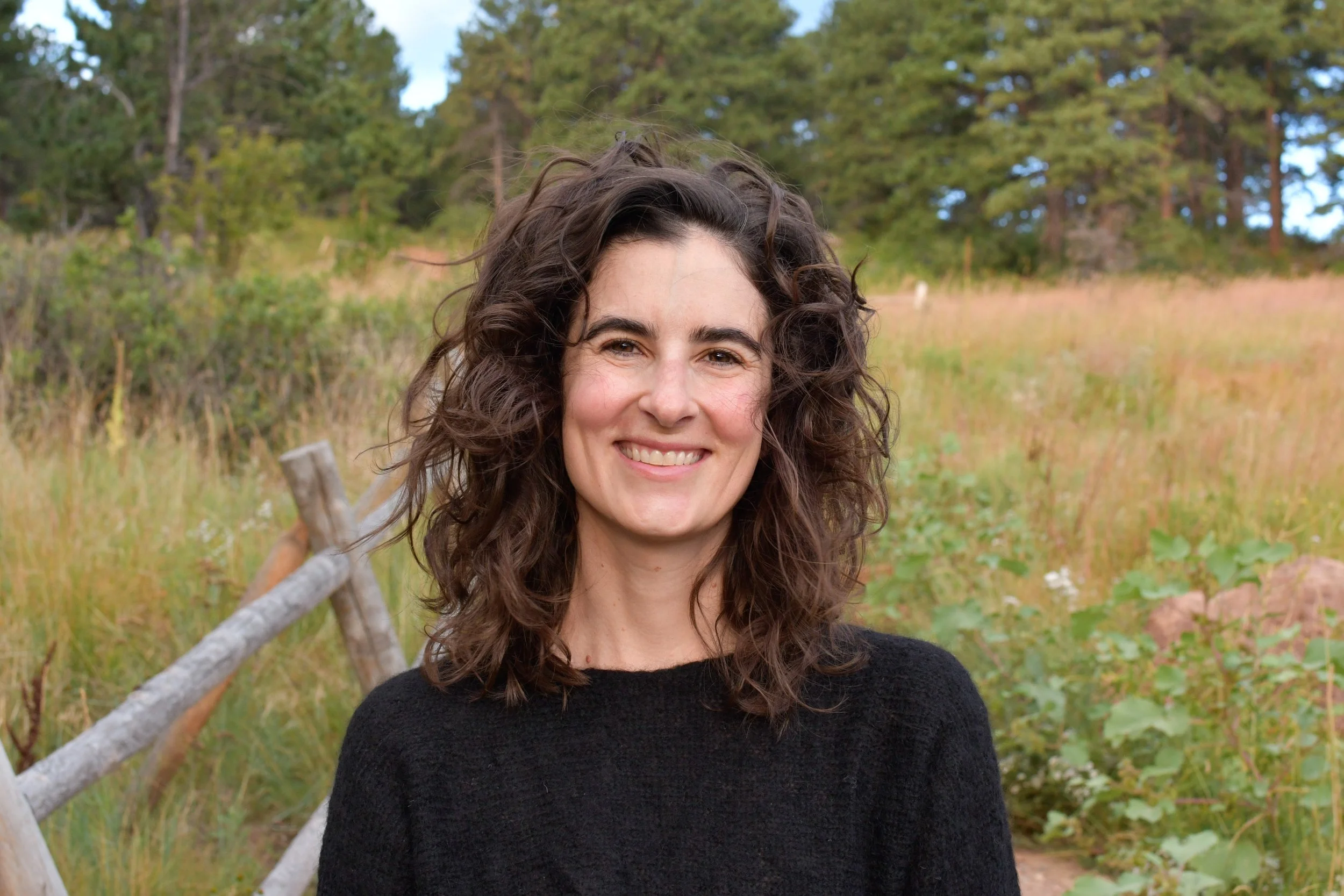
Alexa Owen, MSW, SWC
MEET YOUR BOULDER, CO TRAUMA THERAPIST
Hi, I’m Alexa, a social worker and therapist with a holistic approach that supports mind-body healing. I’m glad you’re here, because you deserve support and relief.
I specialize in supporting people who feel stuck in survival mode, disconnected from themselves, and seeking therapy that goes beyond coping skills to heal closer to the root.
Shedding old ways of being can feel awkward, disorienting, and sometimes even wrong (even when that deeper part of you knows you need to make a shift). I believe in therapy that’s steady, supportive, and brave so that you have the opportunity to make sustainable shifts that will have a positive impact for life.

Here’s how to get started with therapy in Boulder, CO:
Book a Free Intro Call. You can contact me here so you can share more about what you’re seeking in therapy and I can answer questions about getting started.This is a free 15-minute call that gives us a chance to get to know each other and make sure that you feel comfortable moving forward.
Schedule the First Session. At the end of the call, we’ll go over logistics and schedule a day and time that works for your session if we choose to move forward together.
Start Healing. Weekly sessions help create a strong foundation for healing and growth. We’ll work together to understand some of the thoughts, beliefs, and experiences that are keeping you feeling stuck and help you come home to yourself again.
Frequently Asked Questions
Still have questions? Contact me here so I can get you the clarification or info you need.
-
There are many definitions of the word trauma. In my work, I recognize it as the lasting impact of experiences or conditions that overwhelm a person's or community's capacity to cope, disrupting the body, mind, relationships, identity, or sense of safety.
Trauma can arise from individual events, chronic adversity, systemic oppression, or historical and intergenerational harms, and healing often involves restoring connection—to oneself, others, culture, community, and the body.
Trauma therapy with me involves a holistic approach to processing what hasn’t been processed in a compassionate, collaborative, safe way.
-
A trauma-informed approach to therapy goes beyond learning skills and coping tools or rehashing the content of the painful things that happened.
We slow things down. We move at the speed of trust to support your nervous system in learning what it feels like to go at a sustainable pace. You have choice throughout the process. For example, I might ask, “does this feel okay to lean into today, or would you rather come back to it later?” You have opportunities to process in small, digestible moments so that you understand in an embodied way how you can establish choice, agency, and safety for yourself.
-
No. While I have worked with several clients who seek out trauma therapy for a single event, most presentations of trauma tend to stem from ongoing, overwhelming experiences that have built up over time.
It’s the childhood where you had to take care of your parents’ emotions instead of them showing up for you. It’s the compounding day-to-day experience of living in structures and systems that tell you you’re inferior or not enough. It’s the moments of too much, too fast, too soon that never got proper repair.
If you’re reading this, I want you to know that you deserve support and are worthy of it, even if people told you that what has happened to you isn’t a big deal. You deserve to feel safe, grounded, and capable of facing life’s ups and downs. Trauma therapy can help.
-
My fee is $165 per 50-minute session.
I've chosen not to contract directly with insurance because it allows me to practice in a way that aligns with my values and the kind of care I want to provide. This means:
Care that is tailored to you — We decide together what treatment looks like, how often we meet, and how long we work together based on your needs, rather than insurance requirements.
Greater privacy — I don't have to routinely submit diagnoses or therapy notes to insurance companies, allowing your care to remain as confidential as possible.
Flexibility in our work — We aren't limited by insurance authorization or session caps, so therapy can unfold at a pace that supports your goals.
A small, sustainable caseload — Insurance reimbursement rates are often far below a therapist’s actual hourly rate. By seeing fewer clients, I'm able to bring my full presence, attention, and care to each session and provide thoughtful, high-quality support.