
WORRY LESS. LIVE MORE.
Anxiety Therapy in Boulder, Colorado
Virtual Therapy Services available throughout Colorado
Sure, anxiety might be there for a reason; but it doesn’t have to run the show. Let this be the step you take to turn the volume down on the mental noise and feel more calm and grounded in your everyday life.
Anxiety therapy helps you get some space from racing thoughts and constant nerves through practical tools that can help ground you back into your body and your life.
Anxiety shows up in lots of ways: constant worry, an ongoing sense of unease, racing mind, feeling like you need to do everything but can’t bring yourself to do anything. If you’re wondering whether anxiety therapy might help you, take a look at the experiences below.
you might benefit from anxiety treatment if…
You wake up in the morning and instantly go into fight-or-flight mode.
You feel restless, on edge, or wired even when there’s no specific reason why.
You’re stuck in the loops of catastrophizing and “what ifs".”
You have panic attacks that leave you feeling out of control and dreading the next one.
Worry or fear convince you to avoid situations you need to be facing.
You want support that helps you get back in your body in a calm, clear, grounded way.
Anxiety therapy in Boulder, CO can help.
What if you could go from:
Being paralyzed by overthinking ➔ To feeling confident in your values and decisions.
Jumping out of your skin ➔ To feeling grounded in your body.
Constant worry about the future ➔ To trusting you can handle what comes your way.
Avoiding situations ➔ To showing up with full presence.
How We Treat Anxiety

Step 1: Explore Patterns
We figure out what patterns are there, like perfectionism and overthinking. We explore when the anxiety shows up, how it feels, the thoughts or worries that fuel it, without judgement or pressure to change anything right away.

Step 2: Access Calm
We practice practical skills you can use daily to feel more calm and present, like self-compassion, sensory soothing, mind-body practices, and coping strategies tailored to your unique mind and nervous system.

Step 3: Process Deeply
We make space for tending to deeper roots of anxiety if they exist, like trauma, existential grief, or a relentless inner critic, and process those experiences with curiosity and care.
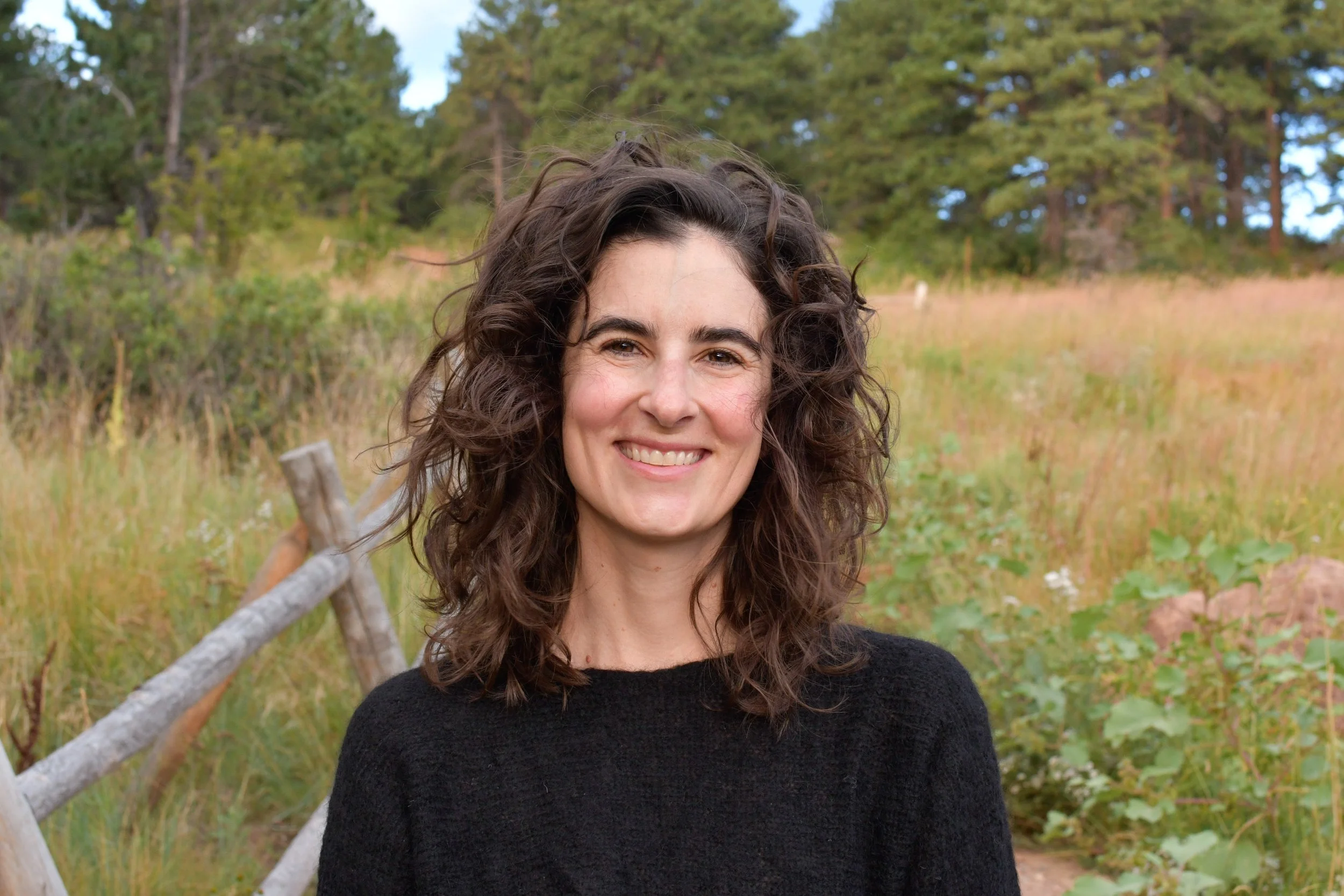
Alexa Owen, MSW, SWC
Anxiety Therapist in Boulder, CO
MEET YOUR BOULDER, CO ANXIETY THERAPIST
Hi, I’m Alexa, a social worker and therapist who helps adults heal from anxiety and trauma. I’m glad you’re here, because you deserve support and relief.
I support people who are at a breaking point with constant nerves, worry, restlessness, or hypervigilance—who want to reclaim their peace and sense of presence so they can take back the time and attention anxiety has tugged at for too long.
Finding steadiness in quaking times might seem out of reach most of the time, but if you’re here, maybe a deeper part of you knows that change is possible. I believe in therapy that meets you where you are, that you don’t need to wait for things to calm down before you can cultivate some inner calm, and that taking a chance on trying to feel better is worth it, even when it feels scary.

Here’s how to get started with anxiety therapy in Boulder, CO:
Book a Free Intro Call. You can contact me here so you can share more about what you’re seeking support with. This is a free 15-minute call that gives us a chance to get to know each other (you can ask me questions too!) and make sure that you feel comfortable moving forward.
Schedule the First Session. At the end of the call, we can go over logistics and schedule a day and time that works for your first session. This can take place in person in Boulder or online.
Start Healing. Most people start with regular weekly sessions to build a strong foundation for therapeutic work. We’ll find a rhythm and approach that suit you and your needs so you can find symptom relief in daily life and sustainable shifts for the long-term.
Frequently Asked Questions
Yes, you can ask me questions! Contact me here so I can get you the clarification or info you need.
-
Anxiety can show up in many ways. You might spend hours overthinking conversations, worrying about making the wrong decision, anticipating what could go wrong, or replaying situations long after they've ended. You may feel responsible for keeping other people happy, struggle to relax even when things are going well, or find yourself seeking reassurance that everything is okay.
Sometimes anxiety is obvious, like persistent worry or physical tension. Other times, it looks like perfectionism, overpreparing, avoiding difficult conversations, or constantly trying to stay one step ahead. You may even appear capable and successful on the outside while feeling overwhelmed or uncertain on the inside.
Anxiety therapy can help you understand what's contributing to these patterns and develop new ways of responding to worry, uncertainty, and stress. You don't need to be in crisis or have a diagnosed anxiety disorder to seek support. If anxiety is making it difficult to feel present, trust yourself, or live in a way that feels authentic, therapy can be a place to begin exploring what's possible.
-
Yes. Therapy can help you understand why your mind keeps returning to the same questions and develop a different relationship with worry. You might replay conversations, anticipate negative outcomes, analyze every possible choice, or feel unable to move forward until you're certain you're making the right decision.
Overthinking can sometimes be an attempt to create safety through certainty. If you've learned that mistakes lead to criticism, conflict threatens connection, or other people's reactions are your responsibility, your mind may work hard to prevent anything from going wrong. The difficulty is that more thinking doesn't always bring more clarity. It can leave you feeling exhausted and less confident in your own judgment.
In therapy, we can explore the experiences and beliefs that keep these patterns going while building your capacity to tolerate uncertainty and reconnect with what matters to you. Depending on your needs, EMDR and mind-body approaches may help address experiences that contribute to anxiety. The goal isn't to eliminate every worried thought, but to help you spend less of your life caught up in them.
-
It can be confusing to feel anxious when your life seems relatively stable. You may know that you're safe, that a relationship is going well, or that there's no immediate problem to solve, yet still feel tense, unsettled, or on guard.
Sometimes these reactions are connected to earlier experiences in which safety, acceptance, or connection felt uncertain. If you grew up anticipating criticism, managing other people's emotions, or trying to prevent conflict, you may have learned to watch closely for signs that something could go wrong. Those responses can continue even when your circumstances have changed.
Anxiety therapy can help you explore these reactions without judging yourself for having them. A trauma-informed approach considers how past experiences, present stressors, thoughts, and body responses may interact. When appropriate, EMDR can help process distressing experiences that continue to influence how you respond today. Over time, therapy can support a greater sense of safety in the present and more flexibility in how you respond to uncertainty.
-
Absolutely. I have worked with many clients who appear “put together” on the outside — rocking it at work, holding together a home, showing up for others — but internally feel completely overwhelmed or disconnected from themselves. My hope is that through therapy you can feel more authentic and at ease with yourself while continuing to build the life you want based on what’s meaningful to you.
-
EMDR (Eye Movement Desensitization and Reprocessing) is a psychotherapy approach best known for treating post-traumatic stress disorder. It can also be helpful for some people whose anxiety is connected to distressing experiences, persistent fears, or negative beliefs about themselves.
For example, you might understand that a past experience is over but still react as though you're about to be criticized, rejected, or overwhelmed. Or you may find yourself caught in beliefs such as “I can't make mistakes,” “I'm responsible for how everyone feels,” or “I can't trust my own judgment.” EMDR may help you process relevant experiences so they have less influence on how you feel and respond in the present.
EMDR isn't the right approach for every person or every form of anxiety. In therapy, we can explore your symptoms, history, goals, and readiness to determine whether it may be a good fit. When appropriate, EMDR can be integrated with other therapeutic and mind-body practices to support your broader work with anxiety.
-
Yes. Anxiety can be influenced by current stress, temperament, life circumstances, and past experiences, including difficult childhood relationships or prolonged periods of feeling unsafe or unsupported. If you learned to anticipate other people's moods, avoid mistakes, suppress your needs, or work hard to earn approval, those strategies may continue into adulthood even when they're no longer serving you.
You might notice that you worry excessively about disappointing people, feel guilty when you set boundaries, doubt your decisions, or struggle to relax unless everything is under control. These patterns don't necessarily mean you have trauma or a particular diagnosis, but they can be worth exploring in therapy.
Trauma-informed anxiety therapy can help you understand how your history may be affecting your present experience. Depending on your goals and readiness, EMDR may be useful for processing distressing memories and the beliefs associated with them. The work is collaborative and paced around your needs, with the aim of helping you feel more grounded, confident, and connected to yourself.
-
If you frequently put other people's needs first, feel guilty saying no, or worry about how others will react when you express yourself, anxiety may be part of what's keeping you stuck. You might carefully choose your words, agree when you want to disagree, or replay interactions to make sure you haven't upset anyone.
People-pleasing can develop as a way to preserve connection or reduce the risk of conflict and rejection. Over time, however, continually adjusting yourself to meet other people's expectations can make it difficult to recognize what you actually want or trust that your needs matter.
Therapy can help you explore the fears and experiences underneath these patterns while developing greater confidence in your own needs, values, and decisions. Rather than simply telling yourself to stop caring what other people think, you can begin to understand why their reactions feel so consequential and practice responding differently. The aim isn't to stop caring about others, but to build relationships in which you can care for others without abandoning yourself.
-
Understanding your anxiety can be an important first step, but insight doesn't always change how you react in the moment. You may know that a situation isn't dangerous, recognize that you're overthinking, or understand why you seek reassurance, yet still feel pulled into the same familiar response.
That's because anxiety isn't always maintained by conscious thoughts alone. Emotional learning, physical stress responses, and experiences that have shaped your sense of safety can all play a role. When a familiar trigger appears, your body and mind may respond automatically before you have time to draw on what you know intellectually.
Therapy can help you work with these patterns at more than one level. Alongside exploring your thoughts and beliefs, we can pay attention to your emotional and physical responses and, when appropriate, use EMDR to process distressing experiences connected to your anxiety. With practice and support, you can begin to create more space between feeling anxious and deciding how to respond.
-
My fee is $165 per 50-minute session.
I've chosen not to contract directly with insurance because it allows me to practice in a way that aligns with my values and the kind of care I want to provide. This means:
Care that is tailored to you — We decide together what treatment looks like, how often we meet, and how long we work together based on your needs, rather than insurance requirements.
Greater privacy — I don't have to routinely submit diagnoses or therapy notes to insurance companies, allowing your care to remain as confidential as possible.
Flexibility in our work — We aren't limited by insurance authorization or session caps, so therapy can unfold at a pace that supports your goals.
A small, sustainable caseload — Insurance reimbursement rates are often far below a therapist’s actual hourly rate. By seeing fewer clients, I'm able to bring my full presence, attention, and care to each session and provide thoughtful, high-quality support.

TRAUMA THERAPY
Sometimes anxiety is linked to deeper core sounds, negative beliefs, or past trauma. We can work on healing that too with trauma therapy.
***
Explore negative core beliefs driving worry and overwhelm
Anchor into your core values and take action on them regardless of life’s twists and turns
Truly reconnect with the one who’s been there with you since the beginning: yourself
A space to rest without masking or performing
NEED SOMETHING ELSE?
Other Services

EMDR THERAPY
When anxiety feels stuck in the body and your nervous system needs to process more deeply. EMDR can move things where talk therapy might not.
***
Getting to the root of negative core beliefs that are driving your choices
Helping your nervous system heal unprocessed past experiences
Developing real, embodied hope, confidence, trust, and love
A focused, supportive, structured process to get unstuck

THERAPY INTENSIVES
For those wanting to take a deep dive in a focused way that invites breakthroughs and shifts in days rather than weeks or months.
***
Longer sessions with a specific goal or topic in mind create space for insight and transformation
2 and 3 day options tailored to your needs
A thorough intake and follow-up integration session included
An option for those whose schedules or needs lie outside the lines of 50-minute weekly sessions